Love makes us do stupid things. We move across countries for people we’ve known for days. We get tattoos we regret. We trade irreplaceable collectibles for fleeting moments of connection. From the outside, it looks irrational. But what if evolution wanted us to be irrational? What if love isn’t a bug in the human operating system—it’s a feature?
The idea that love evolved as a "commitment device"—a biological mechanism to keep parents together long enough to raise helpless human offspring—has gained traction in evolutionary psychology. It’s a compelling story. But is it science, or just a story?
The Brain on Love: Chemicals, Circuits, and Caveats
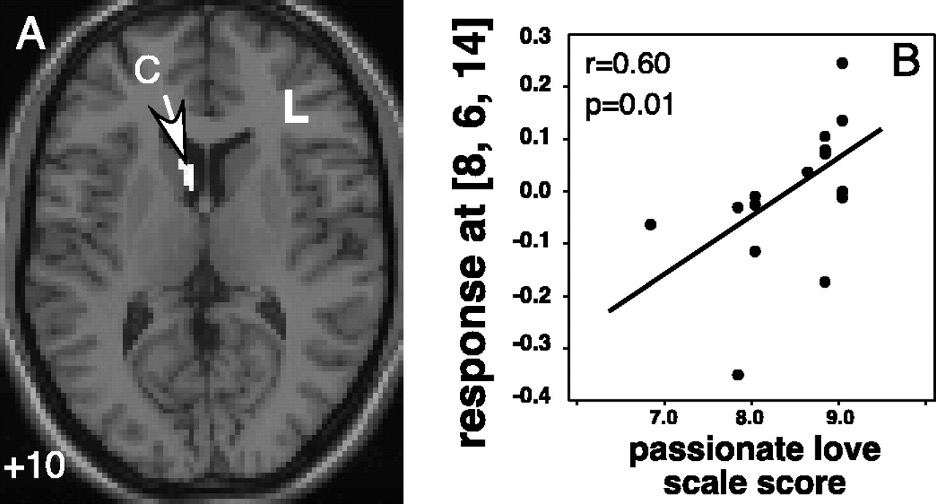
When you’re in love, your brain looks like it’s on drugs. Literally. fMRI studies from the early 2000s showed that viewing photos of a romantic partner activates the same reward circuitry as cocaine or nicotine. Dopamine floods the nucleus accumbens, creating euphoria and motivation to seek out the beloved. Serotonin levels drop, mimicking the obsessive thought patterns seen in OCD. Oxytocin and vasopressin, hormones linked to bonding, surge during physical touch and sex.
Helen Fisher, a leading researcher in this field, proposed that love isn’t a single emotion but a combination of three distinct systems: lust (driven by testosterone and estrogen), attraction (dopamine and norepinephrine), and attachment (oxytocin and vasopressin). This framework has been influential, but it’s not without criticism. Some researchers argue that these systems overlap more than Fisher’s model suggests, and that the boundaries between them are fuzzy.
The Commitment Device Hypothesis: Did Evolution Make Us Stupid on Purpose?
Here’s the core idea: Human babies are uniquely helpless. They require years of care, and raising them alone is nearly impossible. Evolution needed a way to keep parents together long enough to ensure their offspring survived. Enter love—a biological mechanism that makes us irrationally committed to one partner, even when logic suggests we should cut our losses.
This is the "commitment device" hypothesis. It suggests that love evolved to solve the "defection problem" in evolutionary game theory. If both parents constantly calculate whether they could find a better mate, neither invests fully, and the offspring suffers. Love removes the calculation. It makes us feel committed, even when we’re not.
The prairie vole, a small rodent that forms lifelong pair bonds, is often held up as evidence for this hypothesis. Prairie voles have more oxytocin and vasopressin receptors in their reward circuitry than their promiscuous cousins, the meadow voles. When researchers blocked these receptors, prairie voles stopped forming pair bonds. This suggests that love—at least in voles—is a chemical hijacking of the brain’s reward system.
But humans aren’t voles. While oxytocin and vasopressin play a role in human bonding, the story is more complicated. For example, oxytocin’s effects vary depending on context. In some studies, it increases trust and cooperation; in others, it amplifies aggression toward outsiders. This variability makes it hard to draw simple conclusions about its role in love.

The Universality of Love: Fact or Fiction?
One of the strongest claims in the video is that romantic love is universal. The idea that love is a Western cultural invention was debunked in the 1990s, when anthropologists found evidence of romantic love in hundreds of cultures worldwide. Surveys of thousands of people revealed that nearly all humans prefer to commit to a long-term partner they love.
But universality doesn’t mean uniformity. While romantic love may exist everywhere, its expression varies widely. In some cultures, love is seen as a prerequisite for marriage; in others, it’s considered a disruptive force. Even within cultures, individual differences abound. Some people fall in love quickly and intensely; others never experience romantic love at all.
The universality of love is often cited as evidence for its evolutionary origins. If love were purely cultural, the argument goes, it wouldn’t appear in so many unrelated societies. But this reasoning has flaws. Cultural universals can emerge from shared environmental pressures (e.g., the need for cooperation) rather than innate biological mechanisms. The debate is far from settled.
This post is for subscribers only
Subscribe now and have access to all our stories, enjoy exclusive content and stay up to date with constant updates.