A man sits motionless, yet the cursor on the screen moves. No mouse. No keyboard. Just his intentions. This isn’t sci-fi—it’s the reality of brain-computer interfaces (BCIs), devices that translate neural activity into machine commands. But how do they work? And why is it so much harder than it looks?
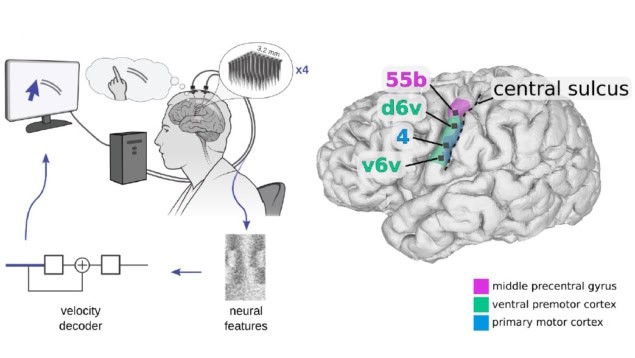
The video’s premise is simple: a tiny implant detects electrical patterns tied to movement, and software translates them into actions. But the brain doesn’t broadcast intentions clearly. It whispers them in a language of electrical spikes across millions of neurons, and BCIs are still learning to parse that language.
The Illusion of Mind Reading
BCIs don’t read thoughts or memories. They decode motor intentions—neural patterns preceding movement. When you decide to move your hand, your motor cortex generates signals. BCIs intercept these before they reach your muscles, using them to control devices like cursors or robotic arms.
Even this narrow decoding is a challenge. The motor cortex doesn’t produce a single signal for "move left." Instead, it generates distributed patterns across thousands of neurons. BCIs use machine learning to map these patterns to commands, training on hours of neural data to learn the user’s unique "dialect."
The Reality Behind the Hype
The video highlights Noland Arbaugh, the first Neuralink participant, as a breakthrough. But his case is a single data point, not a proven therapy. Neuralink’s trial involved one participant, and while results were promising—cursor control with thoughts—they were preliminary.
Peer-reviewed studies (e.g., BrainGate) show BCIs can restore independence to paralyzed users, but the tech is slow, error-prone, and requires constant recalibration. It’s far from the seamless experience often implied.

The Hard Problem: Writing to the Brain
If BCIs can read from the brain, can they write to it? The video introduces "Blindsight"—stimulating the visual cortex to create artificial vision. But this is where the science gets murky.
Visual prosthetics have enabled blind participants to perceive simple light patterns (phosphenes), but these are crude and flickering. The claim that "blind people will see next year" is optimistic. Phosphenes aren’t pixels—they’re subjective experiences, and we don’t yet know how to organize them into meaningful images.
The Ethical Tightrope
What happens when BCIs move from medical devices to consumer products? The line between restoration and enhancement is thin. Restoring lost function is a clear good, but what about giving healthy people new abilities, like faster reaction times?
The science isn’t there yet. BCIs struggle to decode simple motor intentions, let alone complex cognition. But ethical questions are already here: Who owns neural data? Could it be hacked or sold? And what happens when the line between your intentions and the machine’s actions blurs?
This post is for subscribers only
Subscribe now and have access to all our stories, enjoy exclusive content and stay up to date with constant updates.