For decades, ADHD research focused almost exclusively on male brains. The result? A gaping blind spot in how the condition manifests in women—especially when hormones enter the picture.
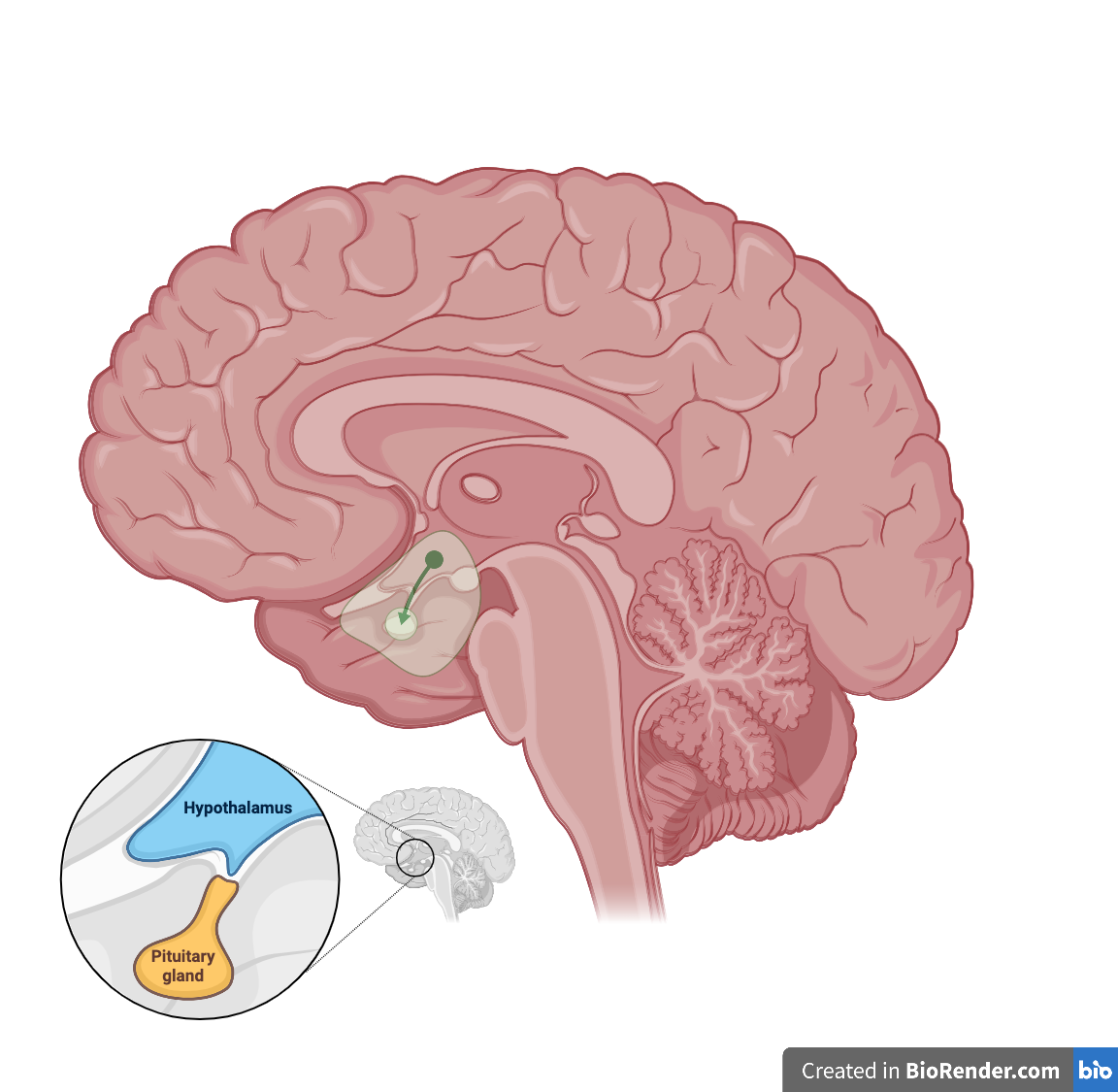
Estrogen doesn’t just regulate reproductive health. It directly modulates dopamine, the neurotransmitter critical for executive function, attention, and emotional regulation. For women with ADHD, this means hormonal fluctuations—across the menstrual cycle, pregnancy, or perimenopause—can amplify or dampen symptoms in ways that are only now being studied.
The Dopamine-Estrogen Connection: A Two-Way Street
The link between estrogen and dopamine is well-documented in preclinical studies. Estrogen enhances dopamine synthesis, receptor sensitivity, and signaling in brain regions like the prefrontal cortex and striatum, which govern attention, impulse control, and working memory. In ADHD, where dopaminergic dysregulation is a hallmark, this interaction isn’t just relevant—it’s foundational.
But here’s the catch: most of this evidence comes from rodent and non-human primate models. Human studies are largely correlational, relying on peripheral hormone measurements that may not reflect what’s happening in the brain. As a 2023 meta-analysis in Biological Psychiatry noted, while estrogen’s effects on dopamine are plausible, the exact mechanisms in humans remain unclear. Progesterone, which fluctuates alongside estrogen, may also play a role, but its impact is even less understood.
Hormonal Fluctuations and ADHD: The Evidence So Far
The video claims that women with ADHD are nearly twice as likely to experience severe PMS (PMDD), three times as likely to develop postpartum depression, and face four standard deviations worse perimenopausal symptoms. These statistics are striking—but are they accurate?
Research supports the broad trend: hormonal fluctuations do exacerbate ADHD symptoms in many women. A 2022 study in Frontiers in Global Women’s Health found that women with ADHD reported more severe mood swings, cognitive dysfunction, and emotional dysregulation during the luteal phase (post-ovulation) and perimenopause. However, the specific numbers cited in the video—like the “four standard deviations” claim—are not widely replicated in the literature. Most studies describe increased risk or greater severity, not such extreme deviations.
The postpartum period is another critical window. A 2021 cohort study in JAMA Psychiatry found that women with ADHD were indeed at higher risk for postpartum depression, but the “three times” figure is an upper-bound estimate. The actual risk varies widely depending on factors like socioeconomic status, prior mental health history, and access to support.
Perimenopause: The Perfect Storm for Cognitive Function
Perimenopause is where the interplay between estrogen and ADHD becomes impossible to ignore. As estrogen declines, so does its dopaminergic support, leading to what many women describe as “brain fog on steroids.” The video cites a survey where 93% of women with ADHD reported worsening symptoms during perimenopause—but this is a self-reported, non-peer-reviewed finding. What does the science say?
The evidence is growing. A 2024 study in Menopause found that women with ADHD experienced more pronounced cognitive decline during perimenopause compared to neurotypical women, particularly in working memory and processing speed. However, the study also noted that other factors—like chronic stress, sleep disruption, and metabolic health—played a significant role. Estrogen’s decline may be a key driver, but it’s not the only one.
Brain imaging studies add another layer. Research from NeuroImage in 2023 showed that estrogen decline during menopause is associated with reduced gray matter volume in the prefrontal cortex, a region critical for executive function. For women with ADHD, who already exhibit structural differences in this area, the compounding effects could be especially pronounced.

What We Still Don’t Know
For all the progress, the science of ADHD and hormones is still in its infancy. Here’s what remains unanswered:
1. Medication efficacy: The video suggests that ADHD medications may be less effective when estrogen is low. While this is biologically plausible, there’s almost no clinical data on how to adjust dosing across the menstrual cycle or perimenopause. A single preliminary study (cited in the video) found that increasing stimulant doses during low-estrogen phases helped—but this hasn’t been replicated.
2. Hormone replacement therapy (HRT): The video mentions that estrogen supplementation might help with cognition and mood, but the evidence is mixed. A 2023 review in The Lancet Diabetes & Endocrinology found that HRT had modest benefits for cognitive function in neurotypical women, but its effects on women with ADHD are unknown. Progesterone’s role is even murkier—some women report benefits, while others experience worse brain fog.
3. Sex differences in ADHD: The video highlights that girls with ADHD often struggle with vocabulary and visuospatial reasoning, while boys show more motor deficits. But these findings come from small, underpowered studies. A 2024 meta-analysis in JAMA Pediatrics found that sex differences in ADHD symptoms are far less pronounced than previously thought, and many apparent disparities may stem from diagnostic bias rather than biology.
Why This Matters for Cognitive Resilience
The link between hormones and ADHD isn’t just about symptom management. It’s a window into how cognitive resilience—the brain’s ability to adapt and function despite challenges—varies across the lifespan. For women with ADHD, hormonal fluctuations may act as a “stress test” for the brain, revealing vulnerabilities that are otherwise hidden.
This has broader implications. If estrogen decline during perimenopause can predict cognitive trajectories, could it also help identify who is at risk for earlier decline? A 2026 study in Nature found that cerebellar volume—a marker of cognitive resilience—was a stronger predictor of long-term cognitive health than amyloid plaques (a hallmark of Alzheimer’s). Could hormonal data add another layer to this predictive model?
For now, the answer is speculative. But the question is urgent: as women live longer, understanding how hormones shape cognitive resilience could redefine how we approach aging, ADHD, and brain health.
This post is for subscribers only
Subscribe now and have access to all our stories, enjoy exclusive content and stay up to date with constant updates.