The Arabian Peninsula is not the kind of place you’d expect to find a revolution in human prehistory. Today, it’s a landscape of sand and silence. But scattered across its northwestern deserts are thousands of enigmatic stone structures—rectangular, low-walled, and older than the pyramids or Stonehenge. Known as Mustatil (Arabic for "rectangle"), these monuments are forcing archaeologists to rethink the Neolithic transition: the pivotal shift from hunter-gatherer nomadism to settled farming societies.
What were they for? And why does it matter? The answers are rewriting our understanding of early human belief, labor, and adaptation—long before the rise of cities or writing.
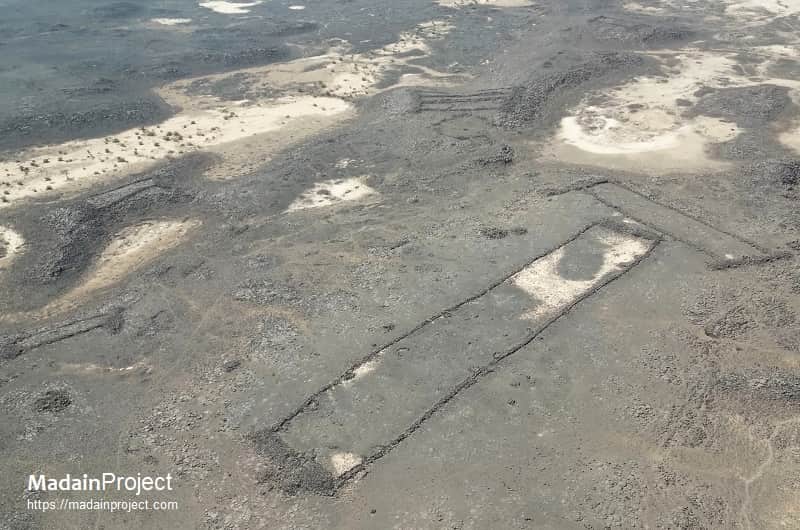
The Mustatil structures are not just old—they’re unexpected. Until recently, the Arabian Peninsula was dismissed as a historical backwater during the Neolithic. But the sheer scale of these monuments tells a different story. One of the largest Mustatils stretches over 500 meters and weighs an estimated 12,000 tons. Built from basalt stones weighing up to half a ton each, these structures required planning, coordination, and a shared symbolic vision.
How did small groups of Neolithic people build them? Archaeologists estimate that a 500-meter Mustatil could have been constructed in as little as two months by just 50 people. This suggests that even nomadic or semi-nomadic societies could mobilize labor for large-scale projects—provided they had a compelling reason to do so.
A Green Arabia: The Climate Context
The Mustatils weren’t built in a desert. They were built in a grassland.
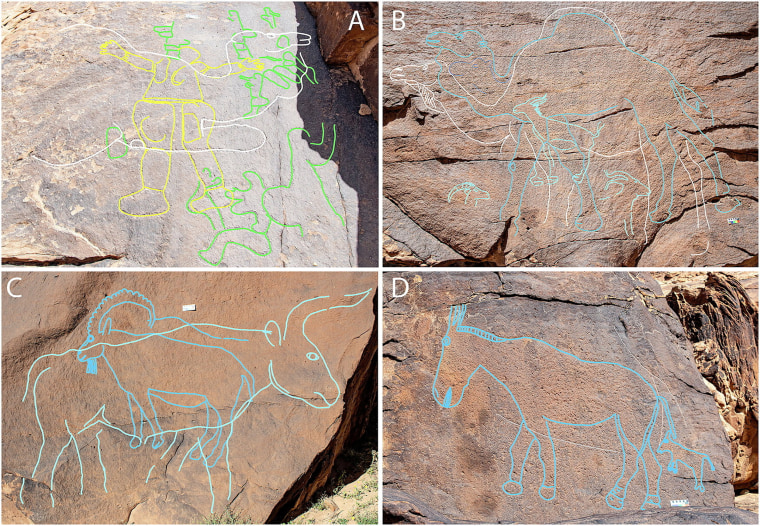
Between 10,000 and 6,000 years ago, the Arabian Peninsula experienced the Holocene Humid Period, a phase of increased rainfall that transformed the region into a lush landscape of lakes, wetlands, and grasslands. Rock art from the era depicts cattle, gazelles, giraffes, and even hippos—animals that thrive in savanna-like environments. This climatic window likely made the peninsula a crossroads for human migration, animal herding, and cultural exchange.
The Mustatils were constructed during this period of relative abundance. But their purpose wasn’t practical. They weren’t livestock pens, defensive walls, or settlements. Instead, the evidence points to something far more intriguing: ritual.
The Ritual Hypothesis: Cattle, Horns, and Sacred Stones
In 2022, archaeologists made a breakthrough discovery. Excavations at several Mustatil sites revealed chambers at their heads, containing systematically arranged animal horns and skulls—primarily from cattle, but also goats, sheep, and gazelles. These weren’t random deposits. The bones were placed deliberately, suggesting structured rituals.
The most compelling evidence comes from a site east of AlUla, where standing stones were found surrounded by clusters of cattle horns and skull fragments. This aligns with a broader pattern in Neolithic archaeology: the Cattle Cult.
Why cattle? In a region where rainfall was unpredictable, cattle may have been seen as a bridge between humans and the forces that controlled water and life. The rituals performed at Mustatils could have been attempts to ensure fertility, rainfall, or social cohesion—especially in a society where survival depended on the herds that sustained them.
What This Tells Us About Neolithic Society
The Mustatils challenge three long-held assumptions about the Neolithic transition:
1. Arabia wasn’t a backwater. The peninsula was a dynamic hub of cultural and ritual innovation, not just a passive recipient of ideas from Mesopotamia or the Levant.
2. Monumental architecture didn’t require farming. The Mustatils were built by nomadic or semi-nomadic pastoralists, not settled farmers. This upends the idea that large-scale construction was a byproduct of agricultural surplus.
3. Rituals were a form of social glue. The Mustatils required coordination, shared beliefs, and collective labor. In a world without centralized authority, rituals may have been the mechanism that held early societies together.
This post is for subscribers only
Subscribe now and have access to all our stories, enjoy exclusive content and stay up to date with constant updates.